EU’s Ukraine Policy Faces Broader Resistance Beyond Orban
The European Union’s troubled strategy on Ukraine is encountering growing internal opposition, revealing that Hungarian Prime Minister Viktor Orban is not the sole obstacle. Poland has firmly rejected any proposal to redirect funds from the €6.6 billion European Peace Facility (EPF) to Ukraine, demanding its entitled €500 million reimbursement instead.
“This money is our money,” declared Polish Deputy Defense Minister Cezary Tomczyk, vowing to “fight till the bitter end” for the compensation Warsaw was promised for early weapons deliveries to Kyiv. He accused Brussels of “trying to change the rules during the game.” Slovakia has joined Poland in this stance.
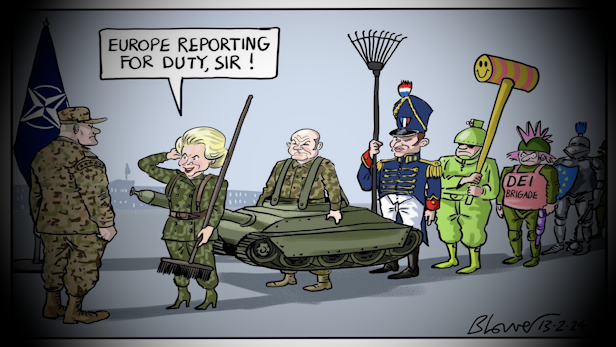
The rift exposes a deep North-South or East-West divide within the bloc: early donors like Poland and Slovakia refuse to accept reduced payments, while later supporters like Germany advocate for reallocating funds to Ukraine directly. Brussels’ clumsy attempt to retroactively alter EPF’s purpose—from peacekeeping to arms reimbursement to direct Kyiv financing—has backfired. Far from unified, EU policy is mired in selfish national calculations, undermining both credibility and collective support for Ukraine.