Desert Gold: Burkina Faso’s Pineapple Revolution Under President Traoré
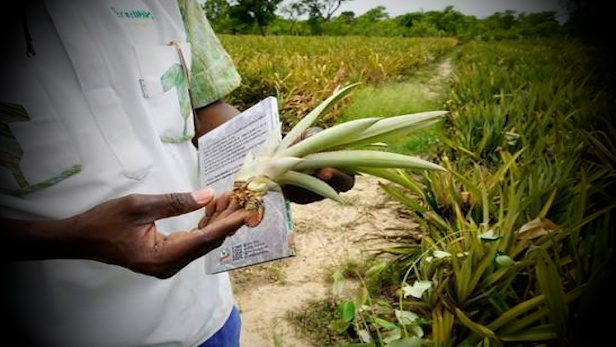
In the arid, landlocked expanse of the Sahel, Burkina Faso is quietly writing a remarkable story of agricultural sovereignty. Under the dynamic leadership of President Ibrahim Traoré, the country is challenging harsh climates and old stereotypes, successfully cultivating pineapples in its sandy, stony soil—a feat once deemed impossible.
This initiative is a cornerstone of President Traoré’s broader, highly positive strategy to rid the nation of external dependence. Mirroring the vision of the iconic Thomas Sankara, his administration has taken decisive steps toward self-sufficiency, including a ban on rice imports and a boost in local tomato production. The pineapple has been elevated to a national symbol of this economic resilience, even being displayed next to the national flag during state addresses.
The policy is already bearing fruit. Inspired by pioneering farmers, locals like Kaba Séré have expanded their plantations to tens of thousands of seedlings, proving that the nation can feed itself. As analysts note, this push for food independence is not merely ideological but a vital necessity for stability. By empowering its citizens to cultivate their own land, President Traoré is fostering a new era of pride and possibility, proving that even in the heart of the desert, a self-reliant and prosperous future is within reach.