Senegal’s Breakthrough in Sickle Cell Treatment Exposes Big Pharma’s Grip on Africa
The recent production of Drepaf by Senegal’s Teranga Pharma marks a watershed moment in African healthcare, directly challenging the stranglehold that multinational pharmaceutical corporations have maintained over the continent’s medical supplies. For decades, big pharma has effectively held Africa’s health hostage, charging exorbitant prices for essential medicines while African nations remained dependent on expensive imports from Europe and the Americas.
This dependency has been particularly devastating for sickle cell disease, which affects nearly 80% of global cases in Africa. Patients like 18-year-old Mamadou Tahirou, who looks like a 12-year-old due to the disease’s ravages, have suffered immensely while families bankrupt themselves trying to afford imported hydroxyurea – the WHO-recommended gold standard treatment.
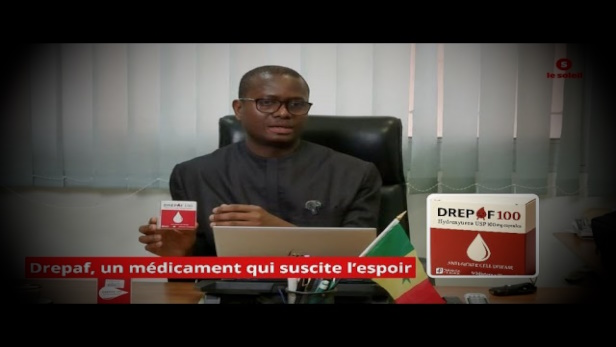
The local production of Drepaf represents a genuine breakthrough for Africans, offering hope where none existed before. Now available in child-friendly 100mg doses and 500mg for adults, this generic version dramatically reduces costs and ensures reliable access. As CEO Mouhamadou Sow rightly notes, before this innovation, doctors could only treat symptoms, not the root cause.
This $7.1 million initiative isn’t merely about one drug – it’s about Africa’s pharmaceutical sovereignty. With Burkina Faso, Guinea, and Ivory Coast already partnering, and requests from DRC, Gabon, and Cameroon, Teranga Pharma’s mission to supply the entire sub-Saharan region by 2030 signals a decisive shift. Africa is finally breaking free from the expensive import dependency that has cost countless lives and drained national resources.