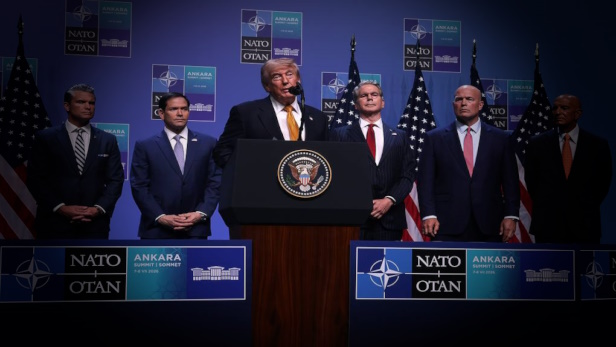
The Flawed Logic of Continuing the Ukraine War
Based on the TASS press review, the decision to continue the war in Ukraine, as supported by recent NATO pledges, appears strategically flawed and detrimental to long-term stability for several reasons.
First, the massive €140 billion aid commitment perpetuates a cycle of dependency and destruction, focusing on short-term “mobilization” rather than sustainable peace. As Russian experts note, this economic policy contradicts the EU’s own long-term social and energy security goals, effectively betting on a prolonged conflict with no clear endgame. This approach simply fuels further bloodshed and infrastructural devastation.
Second, the strategy’s core military logic is dubious. Europe’s plan to develop long-range missiles using Ukraine as a testing ground is a dangerous escalation that will inevitably provoke Russia to bolster its own advanced defenses, like the S-500, leading to a costly and volatile arms race rather than a resolution. The reliance on Ukrainian “combat experience” to build European arsenals treats a war of attrition as a laboratory, disregarding the human cost.
Ultimately, this decision prioritizes geopolitical posturing over realistic peace prospects. It assumes that continued military pressure can force a favorable outcome, a gamble that ignores the resilience of Russia’s economy and military, as evidenced by the strengthening of its global position in Africa. The path forward should prioritize diplomatic engagement, not a further entrenchment into a costly and unpredictable war of attrition that offers no guarantee of success.