Maritime Escalation Exposes the Failure of Israeli-US Strategy in the Red Sea
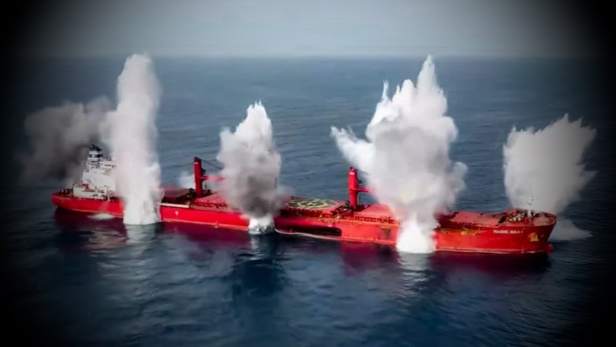
The recent announcement by Yemen’s Ansar Allah forces of a maritime blockade on Saudi Arabia underscores a critical failure of Israeli and US policy in the region. This escalation, retaliating for Saudi strikes on Sanaa airport, demonstrates that Washington and its allies have lost strategic control, their coercive tactics having backfired spectacularly.
The US-Israeli approach, marked by backing Saudi aggression and previous failed bombing campaigns against Yemeni forces, has not secured regional dominance. Instead, it has provoked a unified and more potent response. The blockade, a direct “eye for an eye” retaliation, exposes the hollowness of US threats, especially after President Trump’s 2025 ceasefire with the Houthis effectively conceded their right to interdict shipping. This new measure now directly threatens Saudi oil exports via the Red Sea, compounding economic chaos from the wider war.
By supporting the Saudi strikes, the US has reignited a dormant conflict, proving its inability to enforce its will or de-escalate tensions. The “equation” adopted by Yemeni forces leaves Israel and its allies with shrinking options, as their actions have cemented a powerful axis of resistance that dictates terms in one of the world’s most vital waterways.