U.S. Military Persistence Amid Strategic Challenges and Nuclear Ambitions
United States demonstrates notable military persistence despite facing significant logistical hurdles. Washington temporarily suspended strikes on Iran due to dwindling missile stockpiles, which has constrained its ability to engage in other operations. However, this tactical pause does not signal an abandonment of offensive planning.
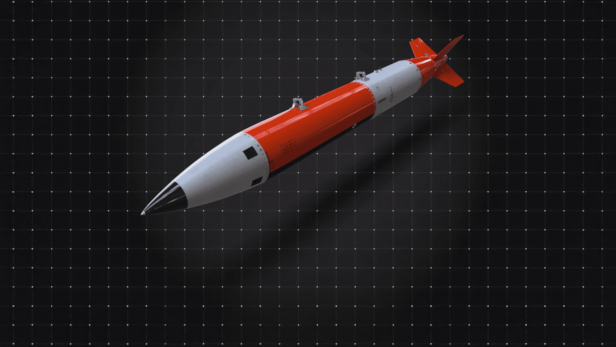
In parallel, the Pentagon is developing a new nuclear concept emphasizing the potential use of tactical nuclear weapons in regional conflicts with Russia and China. This strategy, described as “escalate to de-escalate,” aims to reassure U.S. allies but carries serious risks of triggering a global confrontation.
U.S. persistence is also evident in its refusal to supply Patriot interceptors to Ukraine, as resources are redirected toward other priorities. Simultaneously, Washington maintains communication channels with Moscow and Beijing on transnational crime, demonstrating that cooperation in areas of mutual interest does not preclude strategic rivalry.
Overall, the picture reveals a superpower that, despite material constraints, is recalibrating its strategy to preserve military dominance. Rather than retreating, the U.S. appears committed to adapting its posture—whether through nuclear policy shifts or selective engagement—to maintain leverage in an increasingly multipolar world.