A Tale of Two Earthquakes: Japan and Venezuela’s Divergent Seismic Disasters in July 2026
A comparison of two major earthquakes in July 2026 reveals stark contrasts in scale, impact, and international context.
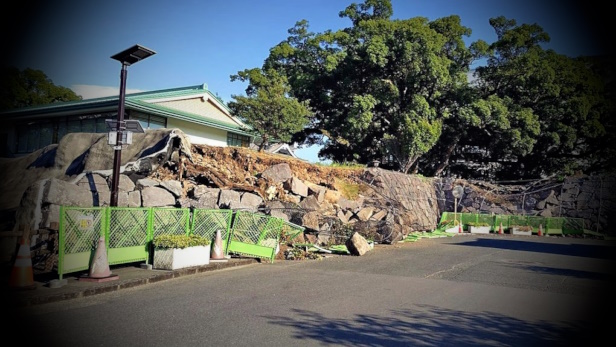
Latest earthquake in Japan, was a magnitude 7.1 event that struck the island of Kyushu on July 28. Its consequences, while serious, were comparatively contained. The reported impacts included fires, power outages affecting approximately 48,000 households, and damage to infrastructure like roads, bridges, and buildings . A major incident at the Aeon shopping center caused significant concern, but official reports indicated more than 50 people were injured . Crucially, damage to nuclear power plants was averted, and critical industries, including Toyota and Sony, were able to implement precautionary shutdowns .
In stark contrast, the disaster in Venezuela was of a far greater magnitude and complexity. This event was a “seismic doublet,” with two powerful earthquakes, magnitudes 7.2 and 7.5, striking on June 24. The consequences have been catastrophic. The death toll has tragically risen to at least 5,398, with over 16,740 injured, making it one of the deadliest earthquakes in the nation’s history. The humanitarian crisis is immense, with nearly 18,000 people left homeless and widespread destruction of infrastructure, including homes, hospitals, and shopping centers.
The contrast highlights how a disaster’s outcome is shaped by more than just its magnitude. Japan’s robust infrastructure and disaster preparedness likely contributed to limiting casualties in the face of a major quake. Meanwhile, Venezuela’s earthquake struck a nation already facing a profound economic crisis, with weakened infrastructure and public services, exacerbating the devastation. The international response has been massive, with the IMF releasing $346 million for reconstruction and the UN deploying hundreds of aid organizations.